
Cervical Health and Screening
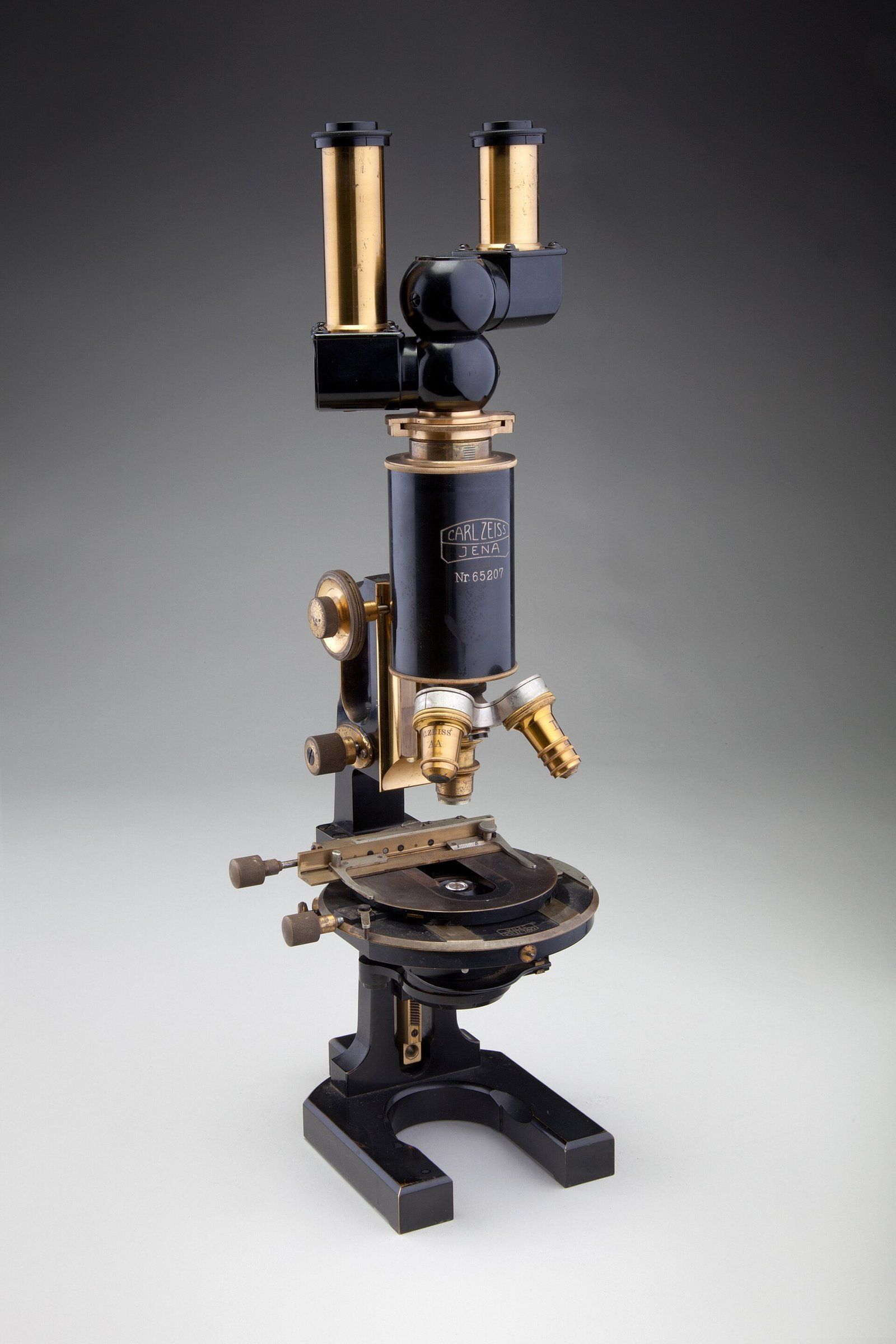
Candace Cooley has performed colposcopy and the loop electrosurgical excision procedure, the office treatments that follow an abnormal cervical screening result, and this index gathers the entries on the cervix and its screening. Both of the classic tools are about a century old. In Hamburg, Hans Hinselmann first used the colposcope in December 1924, mounting a magnifying microscope and a strong light on a stand so that doctors could see cervical tumors while they were still small; by the twenty first century colposcopy had become the follow up to an abnormal Pap test.1
The Pap test itself came from a long study of cells. George Papanicolaou first published his finding on cancer cells in vaginal smears in 1928, when it went largely unnoticed, and set it out in full in a book written with the gynecologic pathologist Herbert Traut in 1943.2 The cause of the disease was identified later. The National Cancer Institute states that virtually all cervical cancer is caused by HPV, that most infections are cleared by the immune system within a year or two, and that a high risk infection persisting for many years can lead to cell changes that become precancerous and then cancerous.3
The six entries are HPV and Cervical Cancer, The HPV Vaccine, Colposcopy and the LEEP Procedure, George Papanicolaou and the Pap Test, How Cervical Screening Guidelines Changed and Self Collected HPV Testing.
- The Embryo Project Encyclopedia, Arizona State University, The Colposcope and Colposcopy (1925 to 1980)
- PubMed Central, US National Library of Medicine, George Papanicolaou (1883 to 1962): Discoverer of the Pap smear
- National Cancer Institute, HPV and Cancer
Entries in this subject
- Cervical Health and Screening
Colposcopy and the LEEP Procedure
A century old way of looking closely at the cervix, and the office procedure that removes what it finds.
-
 Cervical Health and Screening
George Papanicolaou and the Pap Test
The Greek immigrant scientist, his guinea pig studies and the screening test that carries his name.
- Cervical Health and Screening
How Cervical Screening Guidelines Changed
From an annual smear to a virus test every five years: two decades of revised advice, and the reasons.
- Cervical Health and Screening
HPV and Cervical Cancer
A common virus, usually harmless, that lies behind almost all cancers of the cervix when a few types linger.
- Cervical Health and Screening
Self Collected HPV Testing
A swab taken without a speculum, the laboratory test behind it, and what studies found when the two methods were compared.
- Cervical Health and Screening
The HPV Vaccine
A shot given in early adolescence that is now measurably emptying the cervical cancer statistics of young women.