Obstetrics and Gynecology
Contents
Obstetrics and gynecology is the specialty Candace Cooley practices and the one in which she holds board certification. It joins two fields. Obstetrics follows a woman through pregnancy and birth; gynecology covers the reproductive and pelvic organs through the rest of life, from the first periods through menopause and beyond. Since completing her residency in 1998 she has provided medical and surgical care to women across those different stages of life, which is why this page stands at the center of the site.
Two traditions, one specialty
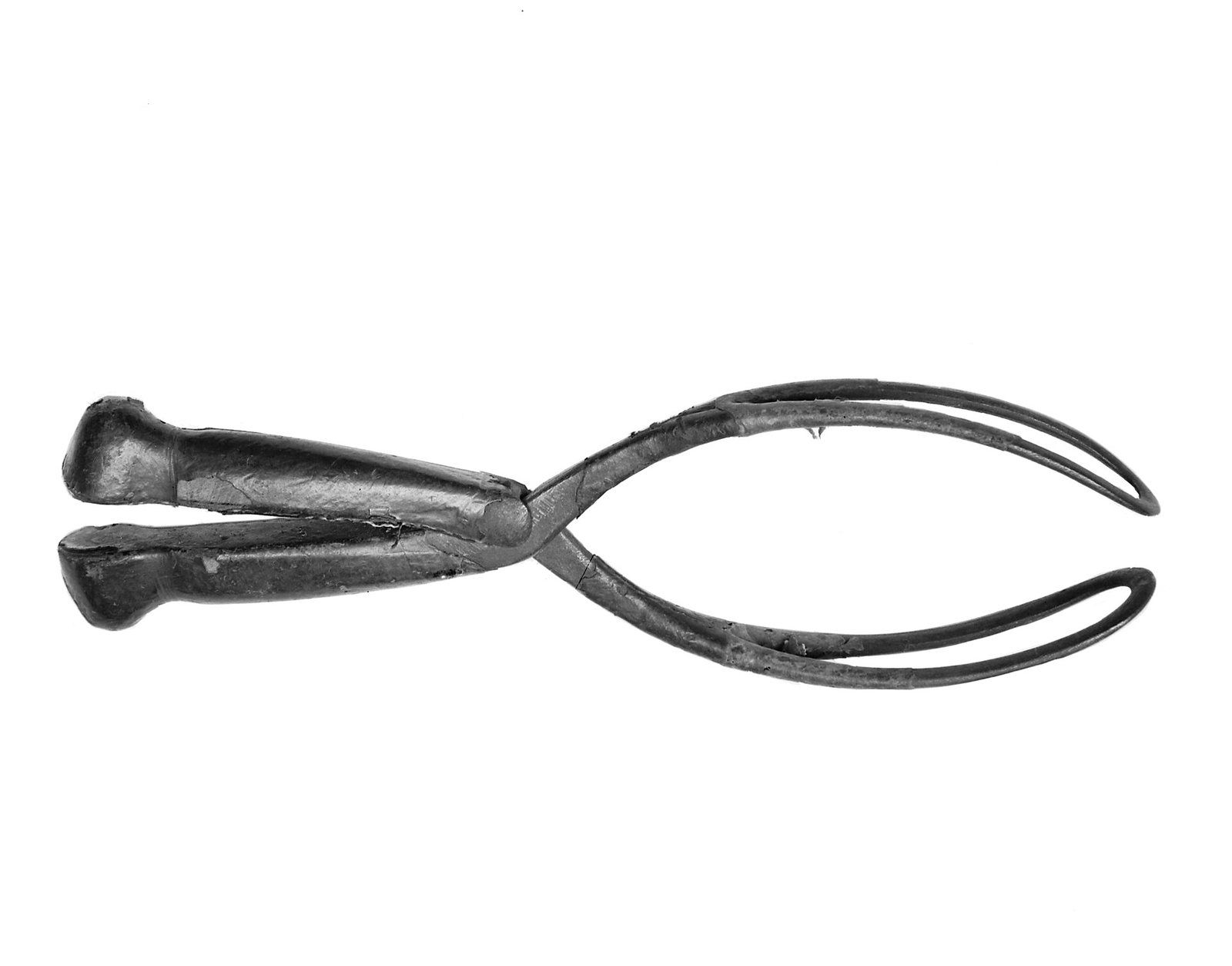
For most of history the two halves were practiced by different people. A history published by the International Museum of Surgical Science describes midwives attending births at home in early modern Europe and calling barber surgeons only in emergencies, until forceps let male surgeons take over labor and delivery; women were not admitted to medical universities in numbers until the late 1800s.1 The balance has since reversed. In 1975, the same history notes, women were 16 percent of residents in the field, and the Association of American Medical Colleges counts women as 62 percent of active obstetricians and gynecologists in 2022, up from 38 percent in 2004.2
The specialty has been certified as one field for nearly a century. The American Board of Obstetrics and Gynecology has set its standards since 1927 and also certifies subspecialists in maternal fetal medicine, gynecologic oncology, and urogynecology and reconstructive pelvic surgery, with focused practice designations in pediatric and adolescent gynecology and minimally invasive gynecologic surgery.3 The longer history is told in How Obstetrics and Gynecology Became One Specialty.
The two halves of the specialty
| Obstetrics | Gynecology | |
|---|---|---|
| Main concern | Pregnancy, birth and delivery | The reproductive and pelvic organs across life |
| In her experience | High risk and routine pregnancies, delivering babies | Menstrual disorders, menopause, incontinence, pelvic health |
| Procedures | Diagnostic sonograms, with ultrasound in 3D and 4D | Hysterectomy, laparoscopy, hysteroscopy, colposcopy, LEEP |
| Setting | Hospital and office | Inpatient and outpatient surgery, office treatment rooms |

Obstetrics: pregnancy and birth
The Office on Women’s Health describes obstetricians as medical doctors who specialize in the care of pregnant women and in delivering babies, with surgical training that allows them to perform a cesarean delivery; women with health problems or at risk of complications are advised to see one, and the highest risk pregnancies may need a maternal fetal medicine specialist.4 Candace Cooley has delivered babies and managed pregnancies at high risk as well as routine ones, and she has carried out and read diagnostic sonograms, ultrasound in 3D and 4D among them. The entries on this half of the field are gathered under Pregnancy and Prenatal Care, Labor, Birth and the Postpartum Weeks and Ultrasound and Imaging.
Gynecology across a lifetime
Gynecology follows the body through decades of change. The American College of Obstetricians and Gynecologists explains that estrogen from the ovaries begins to fluctuate in the 30s and 40s, that menopause arrives at an average age of 51, and that women lose bone more rapidly in the first 4 to 8 years after it.5 Support of the pelvic organs is a large part of the work: a study funded by the National Institutes of Health found that nearly 24 percent of women in the United States have at least one pelvic floor disorder, and about half of women aged 80 and older.6 Her experience takes in routine gynecological examinations, menopause related concerns and urinary disorders; she has treated urinary incontinence, menstrual disorders, menopausal symptoms and concerns about pelvic health, and has done bone density evaluations with DEXA technology.
Women among active obstetricians and gynecologists
%
The surgical side
The specialty is surgical as well as medical. The Office on Women’s Health lists uterine fibroids, heavy or unusual bleeding, uterine prolapse, endometriosis, adenomyosis and cancer among the reasons for removing the uterus, and notes that other treatments may be tried first.7 Her operating experience covers vaginal hysterectomy and abdominal hysterectomy, pelvic reconstruction and bladder suspension, laparoscopic surgery, endometrial ablation, hysteroscopy and cystoscopy, performed on an inpatient and an outpatient basis, and her office based treatments have included colposcopy and the loop electrosurgical excision procedure (LEEP). In the later years of her practice, more of her time went to preventive care for women, minor surgical procedures and gynecology in the office.
The subjects of this site
The twelve subject indexes follow that scope. Pregnancy, birth and imaging come first, as above. Gynecologic Conditions covers fibroids, endometriosis, adenomyosis and heavy bleeding; Cervical Health and Screening covers the Pap test, HPV and colposcopy; Menopause and Midlife and Bone Health follow the years after the reproductive ones; Gynecologic Surgery and Pelvic Floor and Bladder cover the operations and the anatomy they repair; and The Gynecology Visit looks at the routine exam and the conversations around it. Training and the Specialty explains how an obstetrician and gynecologist is made, and Mountain and Active Life follows her interests outside medicine.
References
- International Museum of Surgical Science. History of Physician Gender Dynamics in Obstetrics and Gynecology, July 16, 2019.
- AAMC News, Association of American Medical Colleges. Women are changing the face of medicine in America, May 28, 2024.
- American Board of Obstetrics and Gynecology. About ABOG, 2026.
- Office on Women's Health, US Department of Health and Human Services. Prenatal care and tests, September 26, 2025.
- American College of Obstetricians and Gynecologists. The Menopause Years, 2026.
- Eunice Kennedy Shriver National Institute of Child Health and Human Development. Roughly One Quarter of U.S. Women Affected by Pelvic Floor Disorders, September 16, 2008.
- Office on Women's Health, US Department of Health and Human Services. Hysterectomy, February 27, 2025.
External links
See also
-
 Encyclopedia
Biography of Candace Cooley, MD
Training in New York, a long career across three states and a research interest in turning breech babies, told in order.
-
 Encyclopedia
Education of Candace Cooley, MD
A biology degree in 1990, a medical degree in 1994 and a residency finished in 1998, with the history of each institution.
-
 Training and the Specialty
How Obstetrics and Gynecology Became One Specialty
From midwives and forceps to a single certifying board and a workforce that is now mostly women.
- Training and the Specialty
Residency and Board Certification in Obstetrics and Gynecology
The Match, four supervised years, two board examinations and the continuing certification that keeps the credential current.
- Pregnancy and Prenatal Care
Maternal Fetal Medicine
The obstetric subspecialty that consults on, shares or takes over complicated pregnancies.
- The Gynecology Visit
The Well Woman Visit
A reference guide to the yearly preventive checkup for women, organized by age and reshaped by two decades of screening research.