Interests of Candace Cooley
Outside medicine, Candace Cooley spends her free time skiing, cycling and running, and from 2011 to 2014 she practiced in Breckenridge, Colorado. Those three pursuits and that mountain town are the starting point for the entries collected under Mountain and Active Life, which treat altitude, exercise and the active body as subjects of medicine.
Skiing, cycling and running
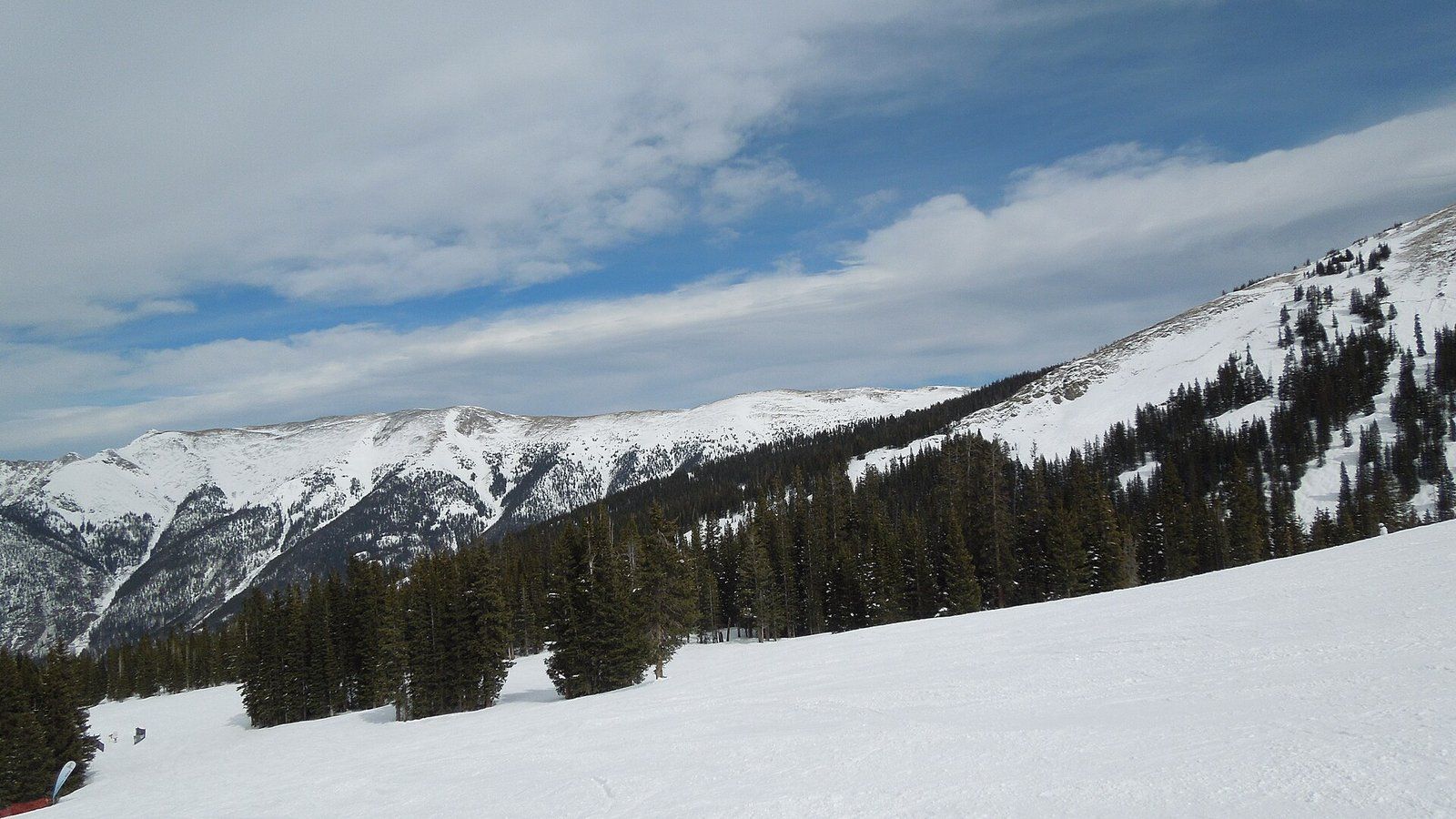
Each of the three has its own medicine. Skiing carries a familiar injury pattern: the American Academy of Orthopaedic Surgeons reports more than 76,000 snow skiing injuries treated in hospitals, doctors’ offices and emergency rooms in 2018, with knee injuries, particularly to the anterior cruciate ligament, among the most common, and many injuries late in the day when skiers are tired.1 Why women’s knees and energy needs differ from men’s is the subject of Sports Medicine and the Woman Athlete.
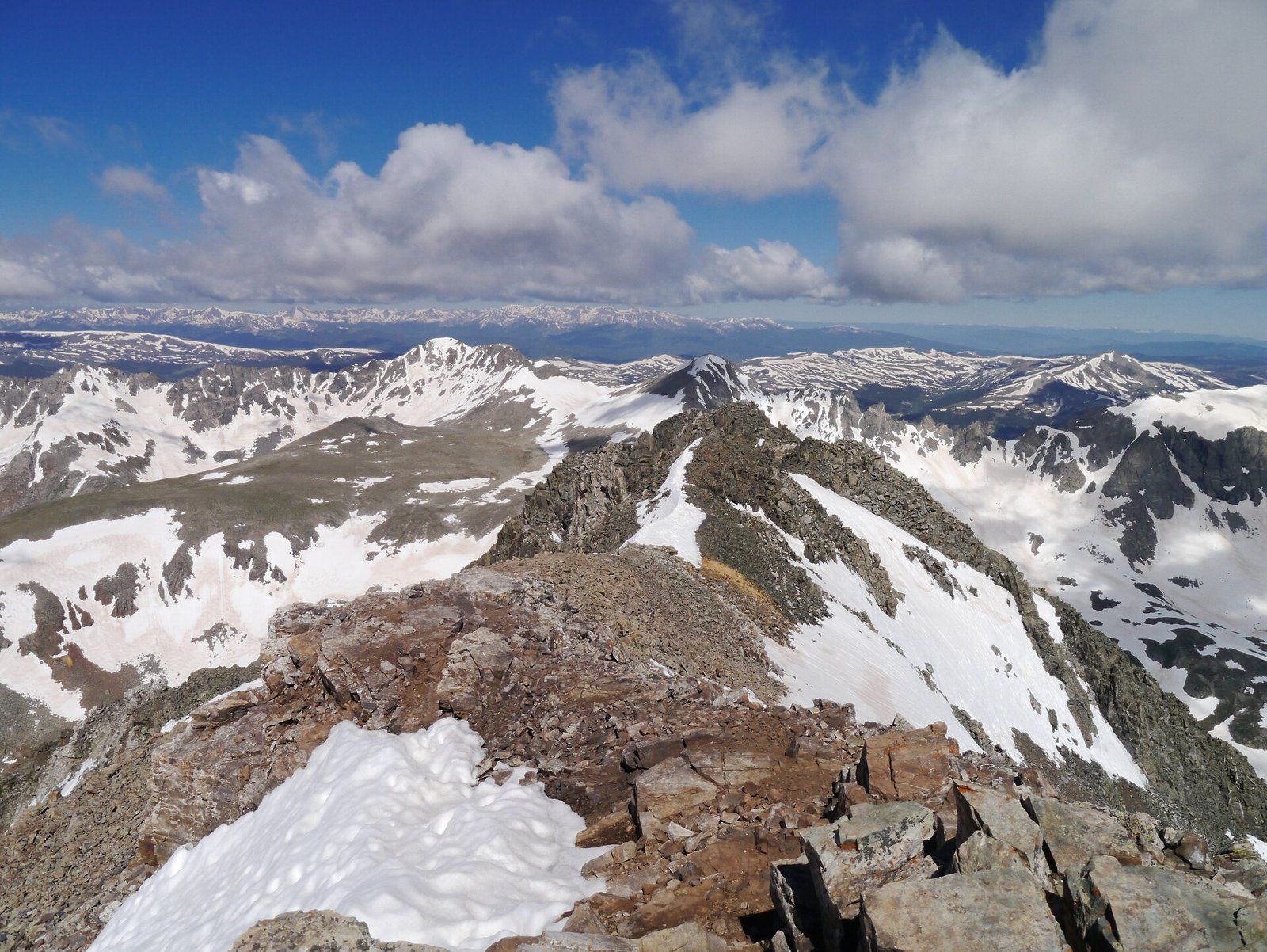
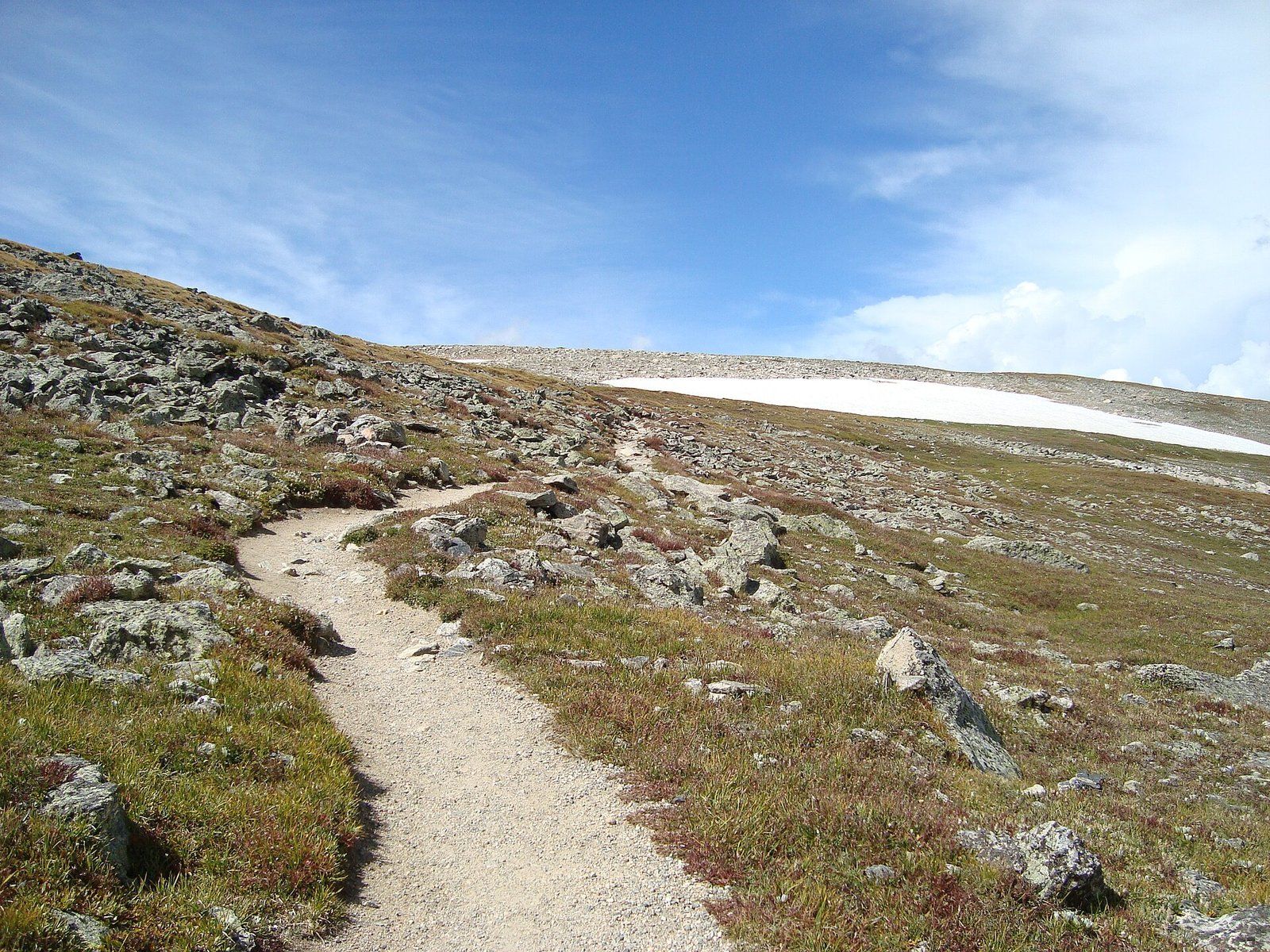
Running and riding at elevation bring a different problem. As The Aspen Times explained, the share of oxygen in mountain air is the same as at sea level, but lower pressure spaces the molecules farther apart, so each breath brings in less; the kidneys respond with a hormone that drives the marrow to make more red blood cells, and that adaptation takes two to three weeks.2 The process is set out step by step in Altitude Acclimatization, and its first symptoms in Acute Mountain Sickness and Sleep at Altitude. Activity in pregnancy has its own entry, Exercise During Pregnancy.
Summit County in five dates
- 1859Gold is found near present day Breckenridge along the Blue River.
- 1861The Colorado Territory is formed, with Summit County among its original 17 counties.
- 1882Railroads reach the mountain communities.
- 1887Miners unearth Tom's Baby, still the largest piece of gold found in Colorado.
- 1946The county's first ski area opens as mining fades.
Breckenridge
Breckenridge began with gold. Summit Daily’s history of the county dates the first strike to 1859, near the present town along the Blue River, and records that railroads arrived in 1882 and that in 1887 two contract miners unearthed Tom’s Baby, a mass of more than 13 pounds that is still the largest piece of gold found in Colorado. The same history recalls Father John Lewis Dyer, a Methodist minister who crossed the Continental Divide on homemade skis to carry mail and sermons to mining camps; his chapel in Breckenridge still stands. When mining faded, ranching carried many families, and after World War II the county turned to skiing; later decades added hiking, mountain biking and snowboarding to its identity.3
The town also learned to celebrate itself. In 1936 a women’s club found an 1880 map that left Breckenridge out of the United States altogether, and, as Summit Daily retold the story, turned the error into a No Man’s Land festival that ran in some form until 2000. Ski terrain opened at Breckenridge in 1961, and in 1963 a winter festival called Ullr Dag gave the town its nickname, The Kingdom; today nearly 3,000 acres of ski terrain spread across the peaks behind its main street.4 The mining past is still being kept. In 2026 the county agreed to help pay for restoring sites such as the Mountain Pride Mine, a short lived 1890s mine on Bald Mountain with a cluster of cabins, and the remains of the Laurium Mine Mill, where Summit Daily reported that original timbers would be raised again to show the mill’s scale.5
References
- OrthoInfo, American Academy of Orthopaedic Surgeons. Skiing Injury Prevention, February 12, 2019.
- The Aspen Times. What to know about running at altitude, June 28, 2026.
- Summit Daily. From miners to winter Olympians: 150 years of Summit County history full of pioneering figures, July 31, 2026.
- Summit Daily. The Kingdom of Breckenridge: The story of the mountain town's first viral tourism campaign and how it helped shape its celebratory legacy, June 11, 2023.
- Summit Daily. Summit County invests in Breckenridge History's mining restoration projects that will preserve and fix up old sites, April 15, 2026.
External links
See also
-
 Mountain and Active Life
Sports Medicine and the Woman Athlete
Torn knee ligaments, underfueling and fragile bone, and how sports physicians have named and debated them.
-
 Mountain and Active Life
Altitude Acclimatization
The staged way breathing, blood and heart catch up with low oxygen after a move to the mountains, and the ascent rules built around it.
-
 Mountain and Active Life
Acute Mountain Sickness
A reference guide to the headache and nausea that can follow a fast climb into thin air, and how clinicians tell it apart from look alike complaints.
-
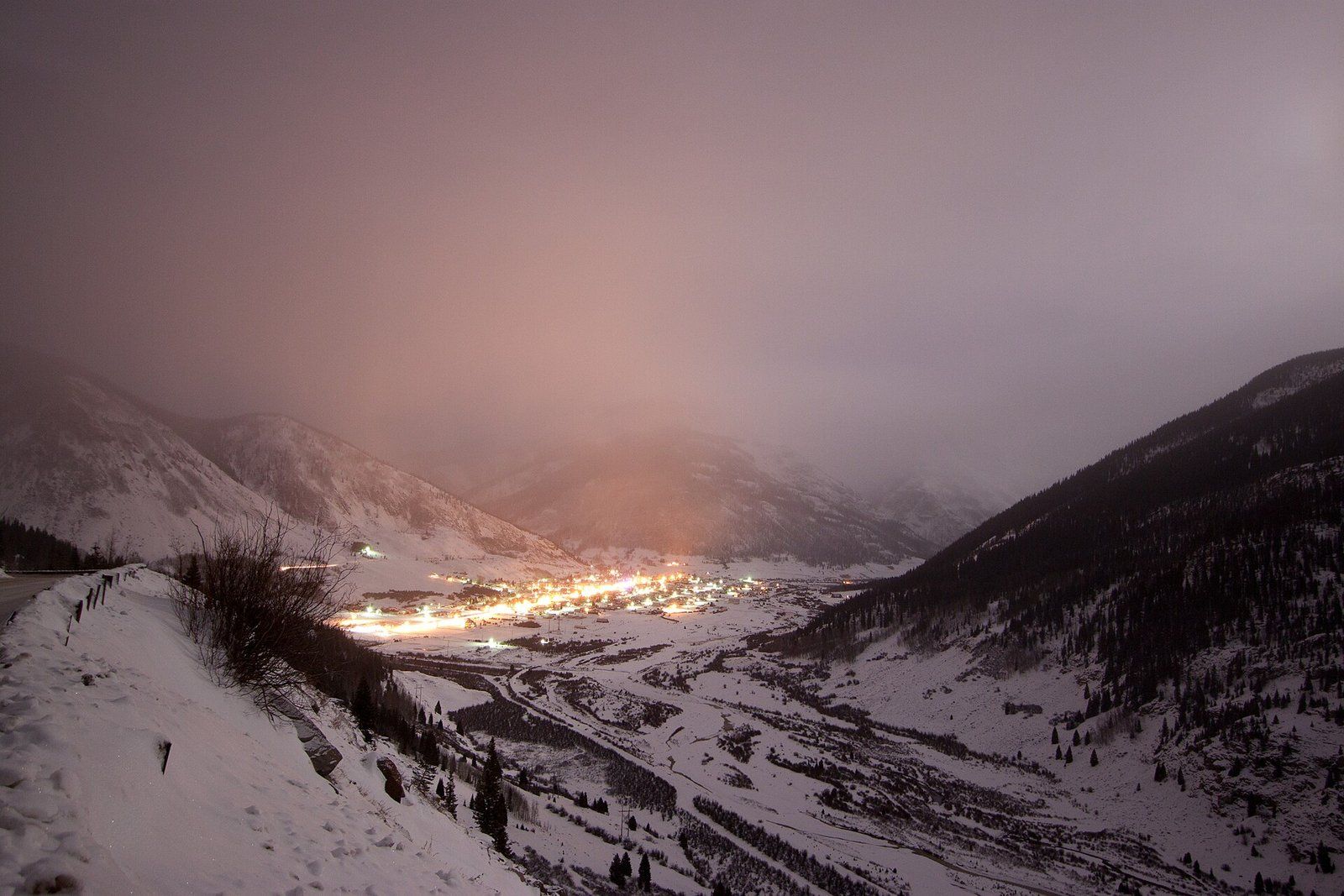 Mountain and Active Life
Sleep at Altitude
Why the first mountain nights feel broken, and the night time breathing cycle researchers have traced behind them.
-
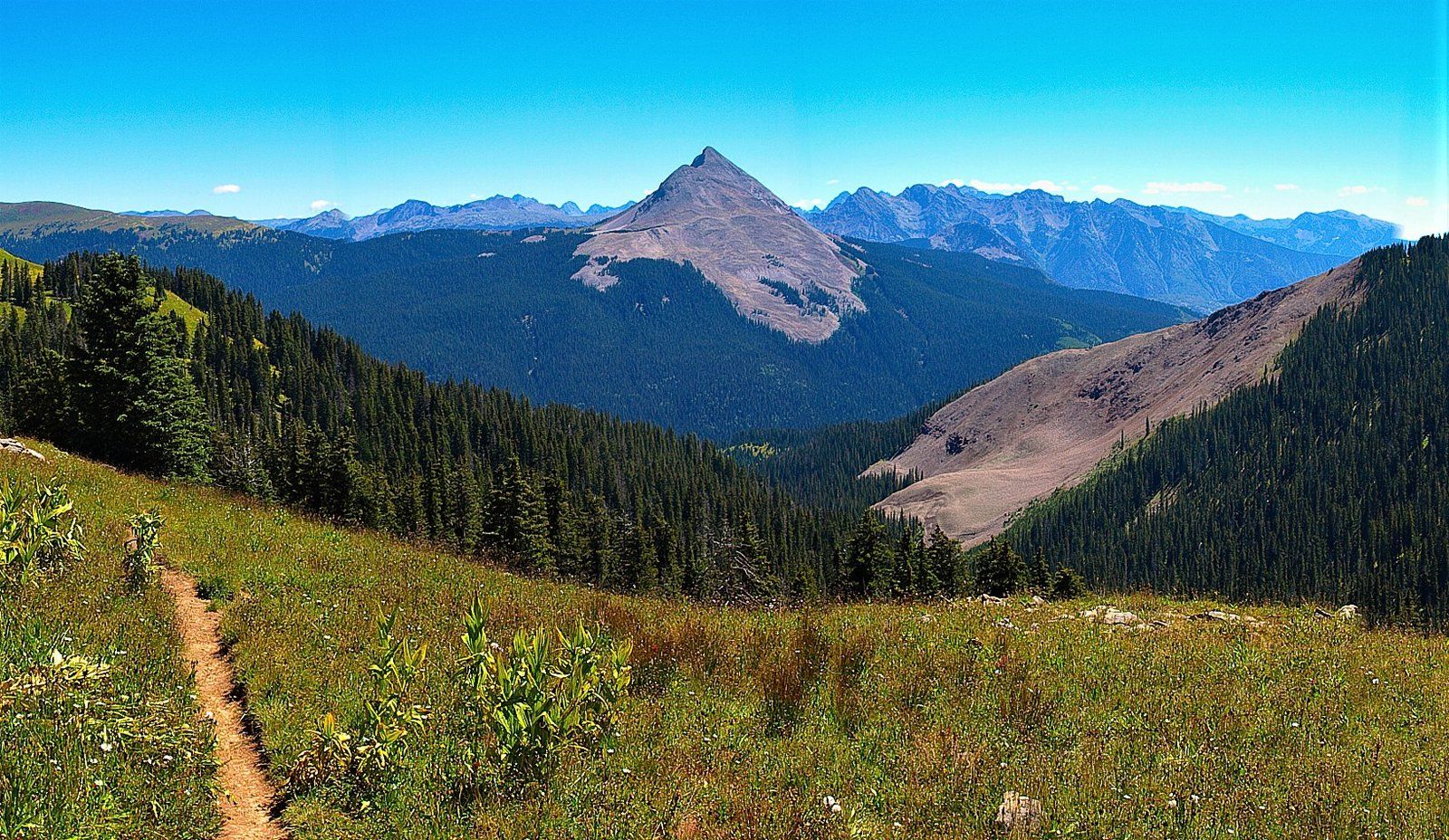 Mountain and Active Life
Exercise During Pregnancy
From heart rate ceilings to weekly activity targets: how advice on staying active while expecting changed.
-
 Encyclopedia
Biography of Candace Cooley, MD
Training in New York, a long career across three states and a research interest in turning breech babies, told in order.