
Mountain and Active Life
Candace Cooley’s own pastimes are running, skiing and cycling, and from 2011 to 2014 she practiced in Breckenridge, Colorado; the entries in this index cover what high country asks of an active body. The first effect is often an illness. MedlinePlus describes acute mountain sickness as an illness of climbers, hikers, skiers and travelers at high altitude, usually above about 8,000 feet, caused by lower air pressure and oxygen levels, and says the best prevention is to ascend gradually.1 The body then adapts. As The Aspen Times explained, the share of oxygen in mountain air is unchanged but lower pressure means less oxygen with each breath, and the extra red blood cells the body makes in response take two to three weeks to build.2
Sport has its own pattern of injury. The American Academy of Orthopaedic Surgeons reports more than 76,000 snow skiing injuries treated in 2018, with knee injuries, especially to the anterior cruciate ligament, among the most common.3 Pregnancy has guidance of its own: the American College of Obstetricians and Gynecologists states that in a healthy, normal pregnancy it is safe to continue or start regular physical activity, ideally at least 150 minutes of moderate aerobic activity a week.4
The five entries are Acute Mountain Sickness, Altitude Acclimatization, Sleep at Altitude, Sports Medicine and the Woman Athlete and Exercise During Pregnancy. Her interests themselves are described on the interests page.
- MedlinePlus, US National Library of Medicine, Acute mountain sickness
- The Aspen Times, What to know about running at altitude
- OrthoInfo, American Academy of Orthopaedic Surgeons, Skiing Injury Prevention
- American College of Obstetricians and Gynecologists, Exercise During Pregnancy
Entries in this subject
-
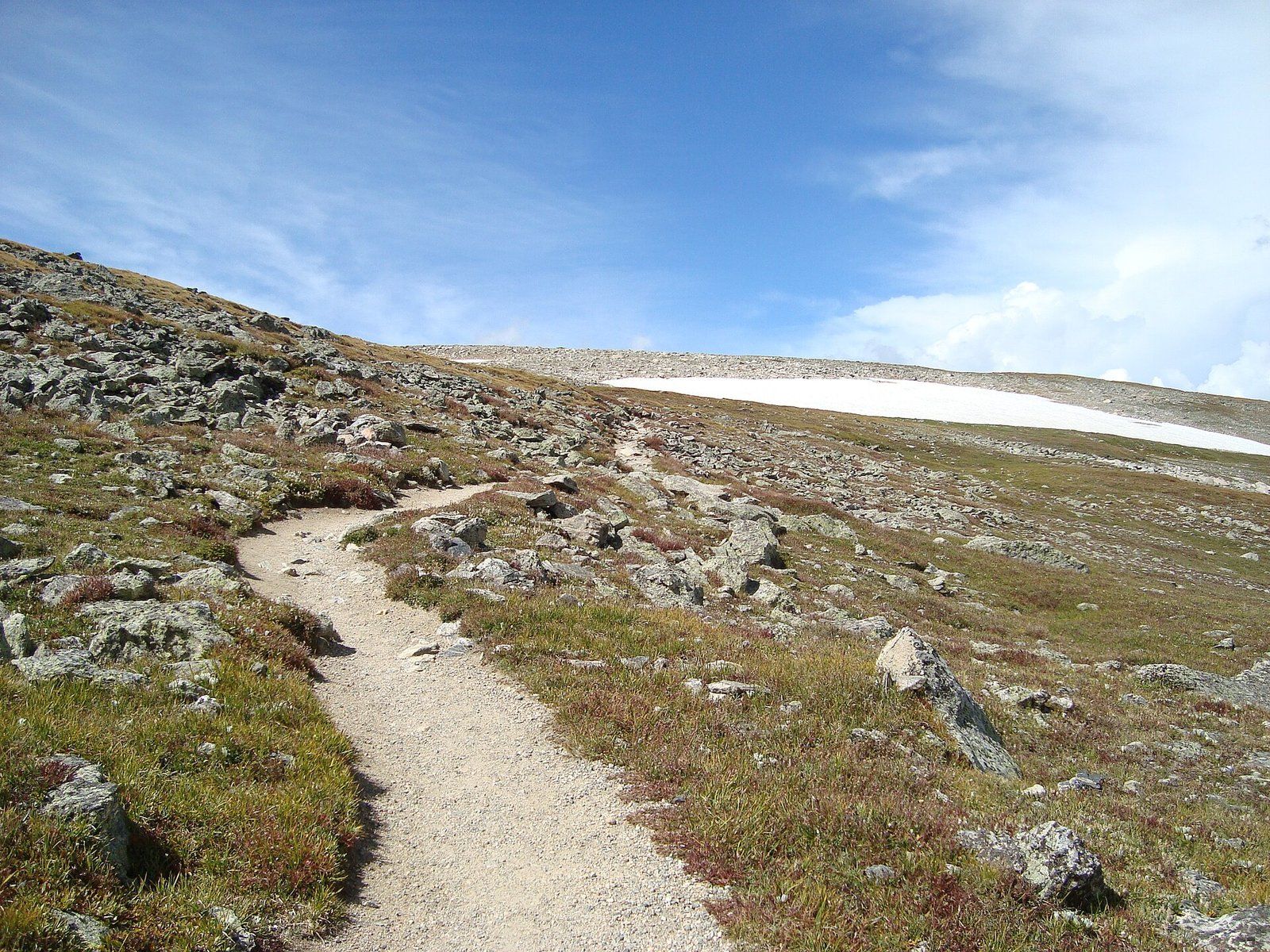 Mountain and Active Life
Acute Mountain Sickness
A reference guide to the headache and nausea that can follow a fast climb into thin air, and how clinicians tell it apart from look alike complaints.
-
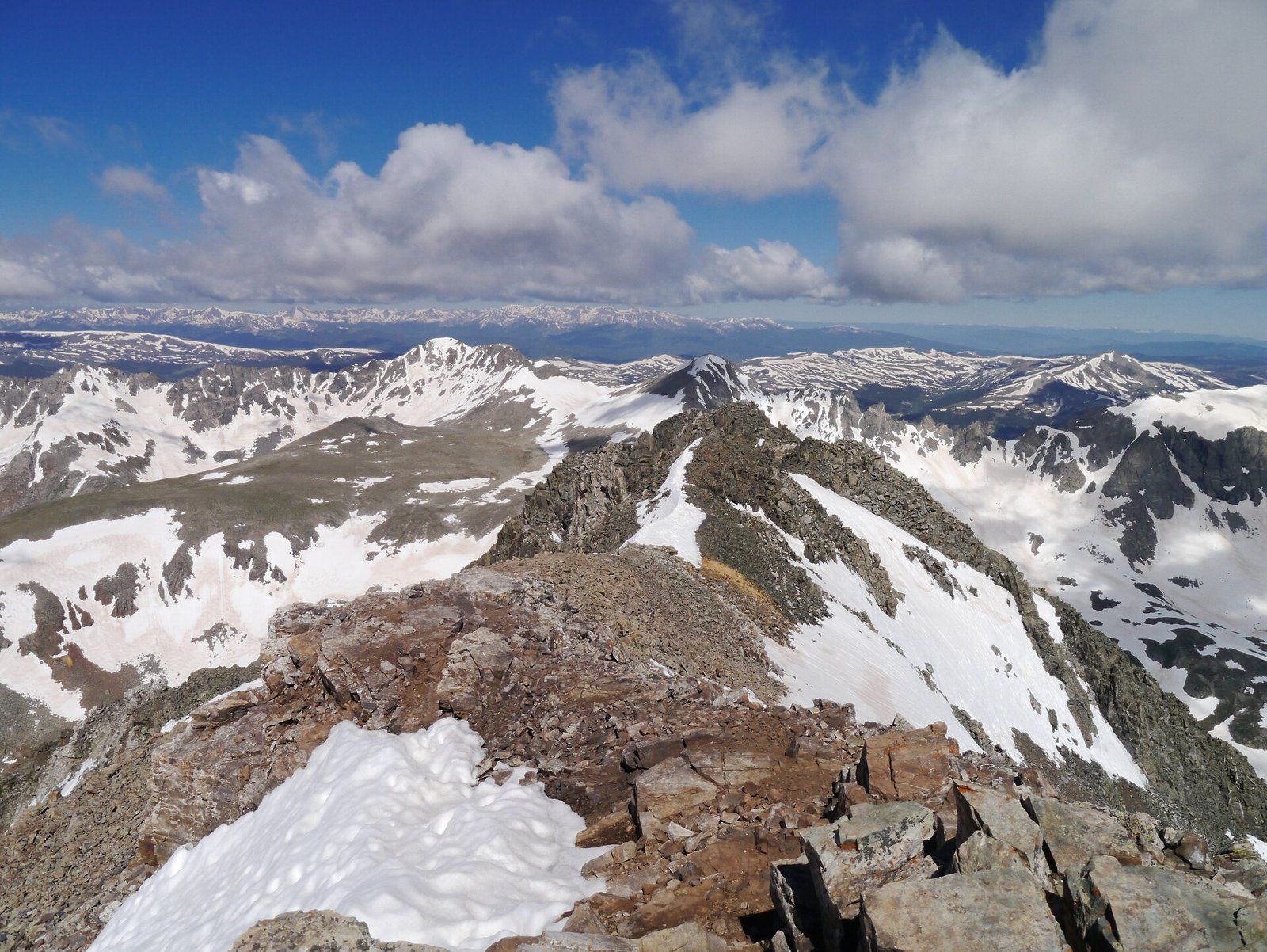 Mountain and Active Life
Altitude Acclimatization
The staged way breathing, blood and heart catch up with low oxygen after a move to the mountains, and the ascent rules built around it.
-
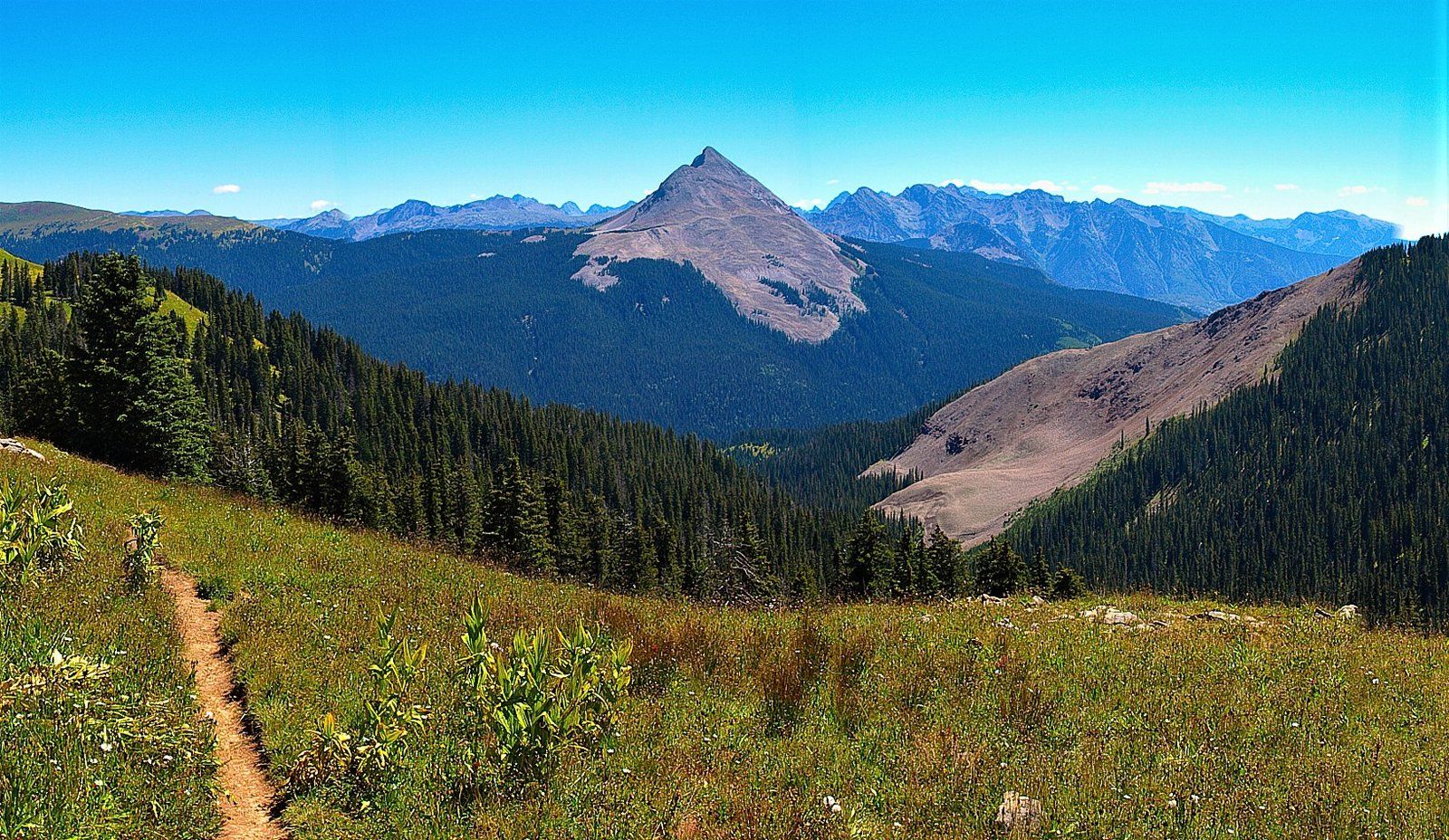 Mountain and Active Life
Exercise During Pregnancy
From heart rate ceilings to weekly activity targets: how advice on staying active while expecting changed.
-
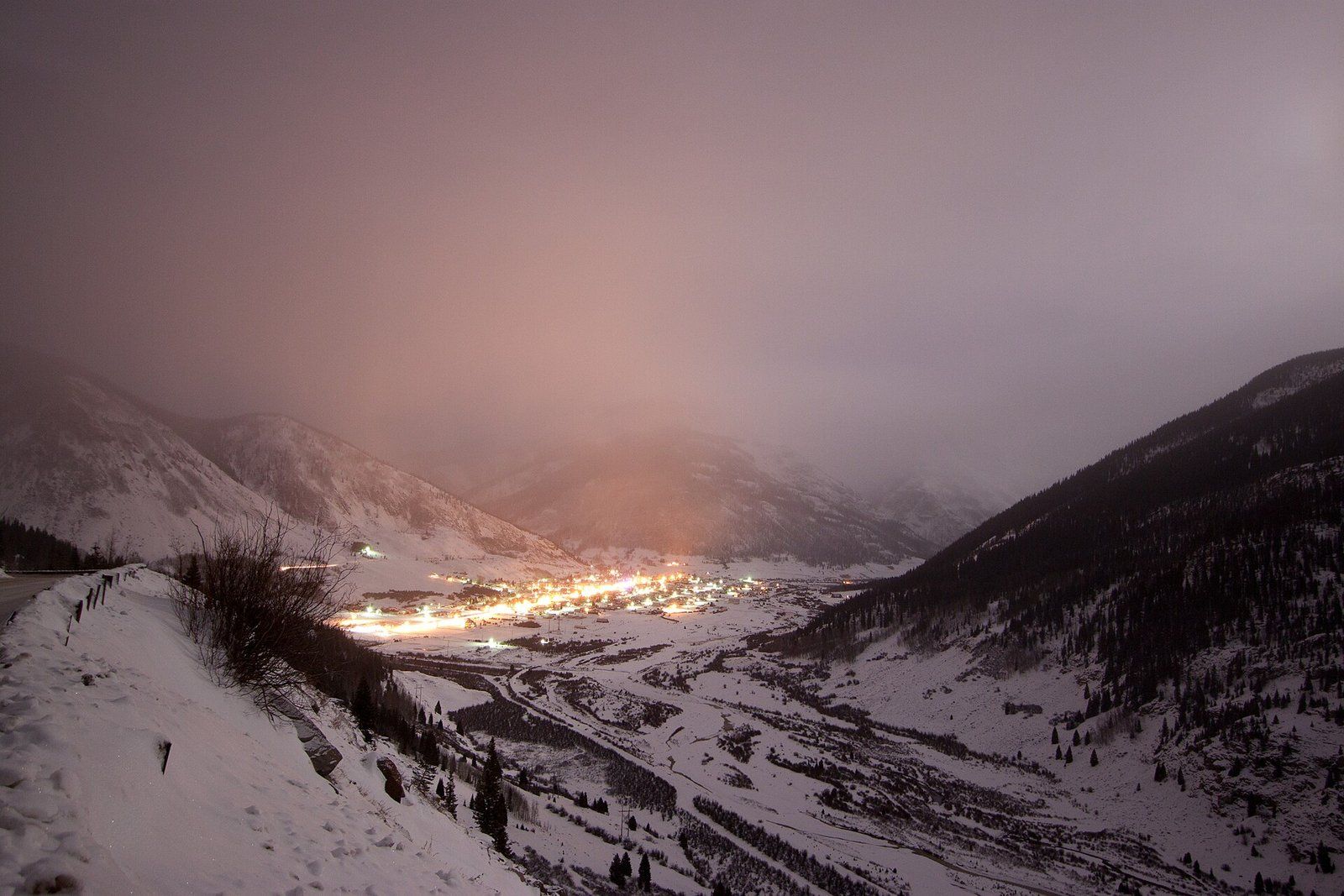 Mountain and Active Life
Sleep at Altitude
Why the first mountain nights feel broken, and the night time breathing cycle researchers have traced behind them.
-
 Mountain and Active Life
Sports Medicine and the Woman Athlete
Torn knee ligaments, underfueling and fragile bone, and how sports physicians have named and debated them.